
Can your exhaust be repaired, or does it need replacing?
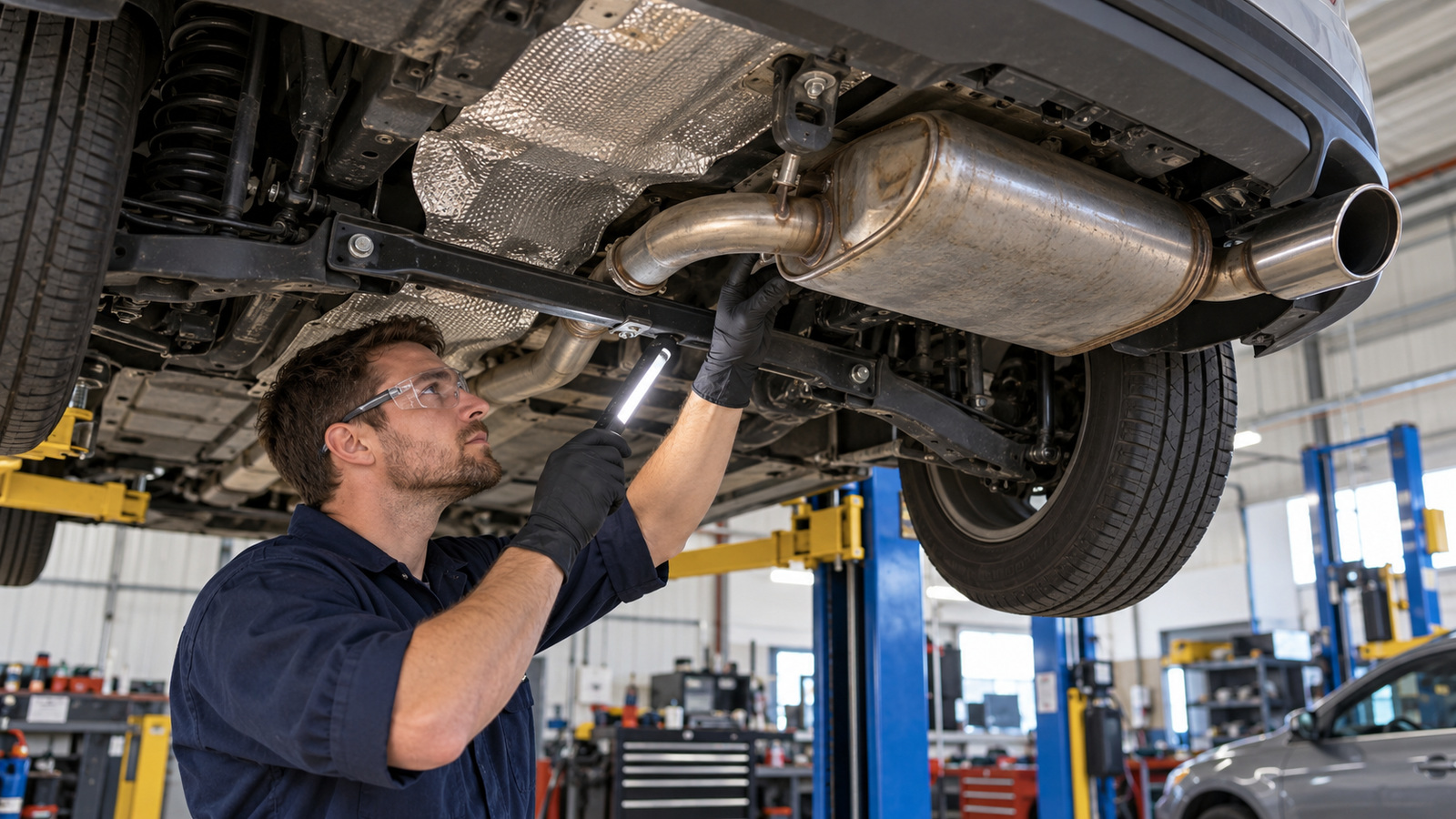
Whether an exhaust is repaired or replaced comes down to two things. The first is the condition of the damaged part. The second is the condition of the system around it. One failure in an otherwise sound system may be repairable. Damage in several places may mean replacing more of the system. An inspection is what separates the two.
Repairing one section, replacing a single component and replacing a whole system are three different jobs. Quotes for exhaust repairs in Melbourne can describe any of the three. Establish the extent of the work before comparing the figures at the bottom of the quotes.
When can an exhaust be repaired?
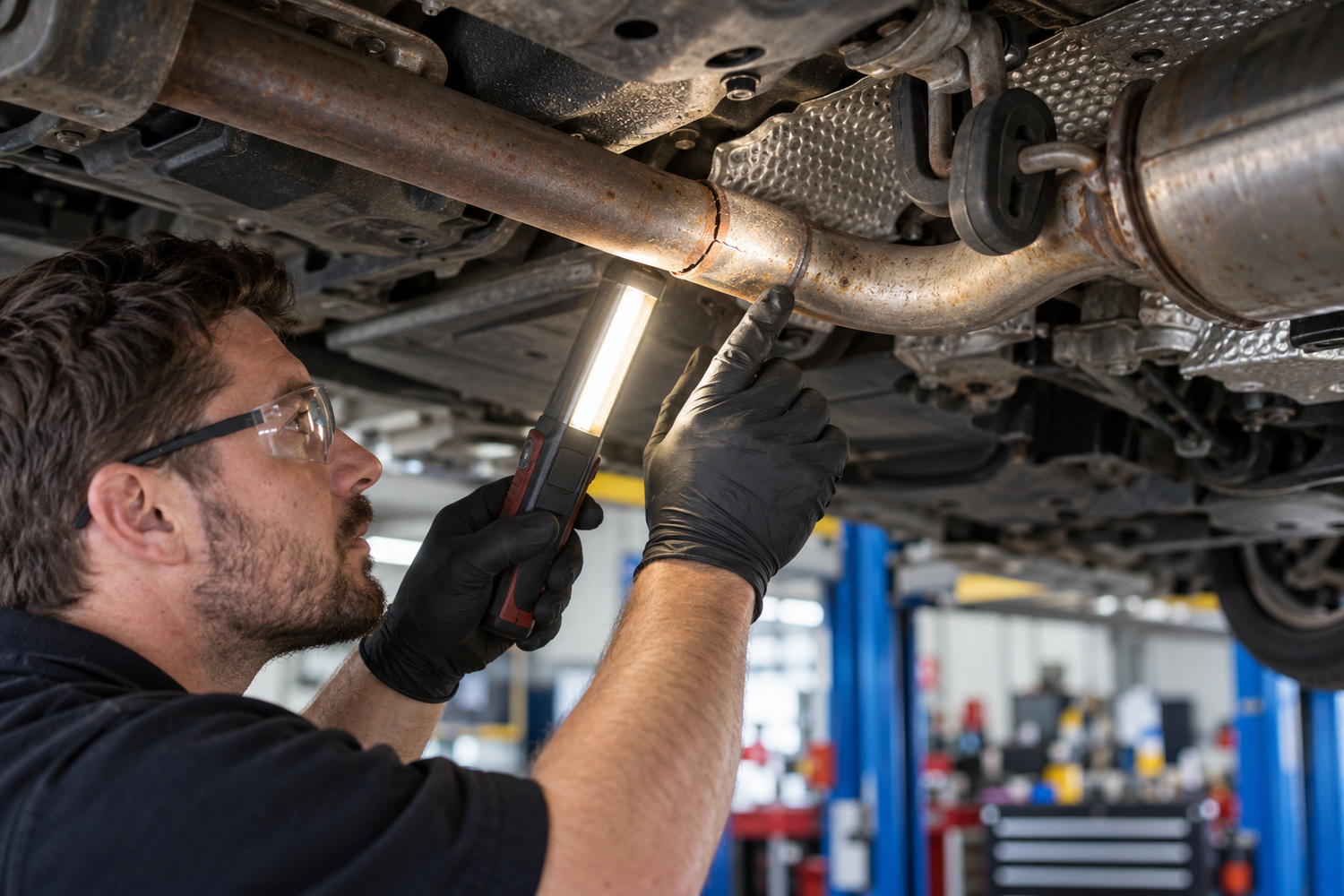
A repair deals with the part that has failed and leaves the rest of the system in place. One split joint, one damaged section, or a mount that has let go can each sit in that group. A repair needs sound pipework around the fault. Pipework here means the connected exhaust pipes and joins; the mounts support that run.
The size of a hole alone does not establish whether a repair is suitable. Take a small fault in a system that has thinned along its length. It is a different proposition to the same fault in a system in good order. That difference is the part an owner cannot judge from the driver’s seat.
Picture two cars with the same split in the same place. This pair is hypothetical rather than a job from the workshop. On the first car, the pipes and mounts around the split appear sound. A local repair may be feasible after assessment. On the second, the neighbouring pipe is thin and flaking. The workshop needs to establish how far that deterioration extends before proposing where the work should stop.
An exhaust repair therefore involves assessing the surrounding system, not only the named damaged part. A fault in one place does not mean the rest of the exhaust has reached the end of its life.
When does a repair stop making sense?
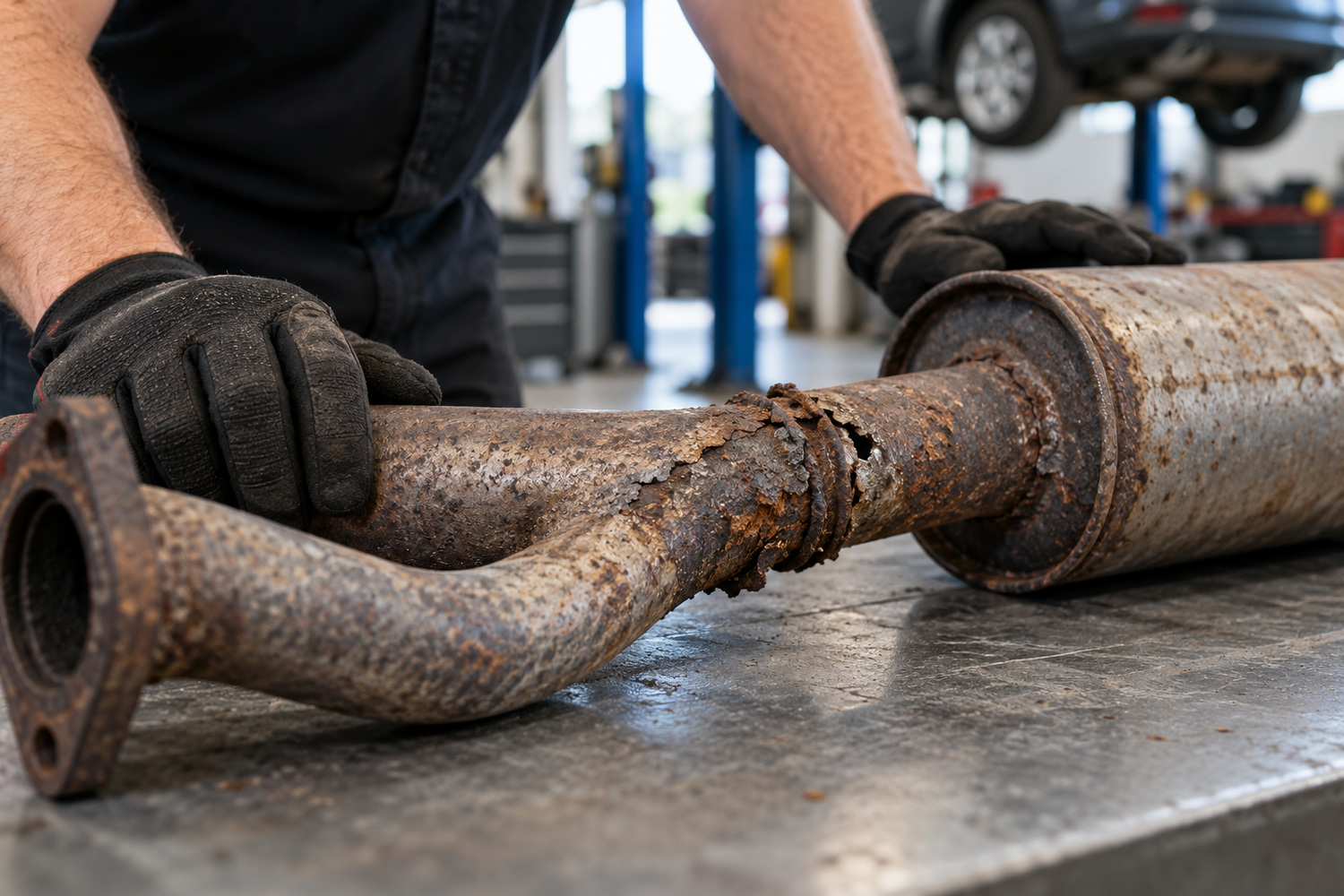
A repair stops making sense when there is too little sound material left to repair to. These conditions can change the proposed extent of work:
None of those proves on its own that the whole exhaust has to go. Replacing one worn component is still a smaller job than replacing a full system. An inspection is what tells those two apart.
- Several sections have failed or show substantial deterioration.
- The damage sits where a new join would have to meet the old pipe.
- An earlier repair has failed again, so the condition around it needs reassessment.
It is fair to ask how long a repair will last. Nobody can promise a lifespan from a description. It turns on the state of the rest of the system and the way the car is used. A description over the phone cannot establish whether a car is safe to keep driving either. If that is the worry, get advice from the workshop before driving it any further.
Why check the system before replacing a muffler?
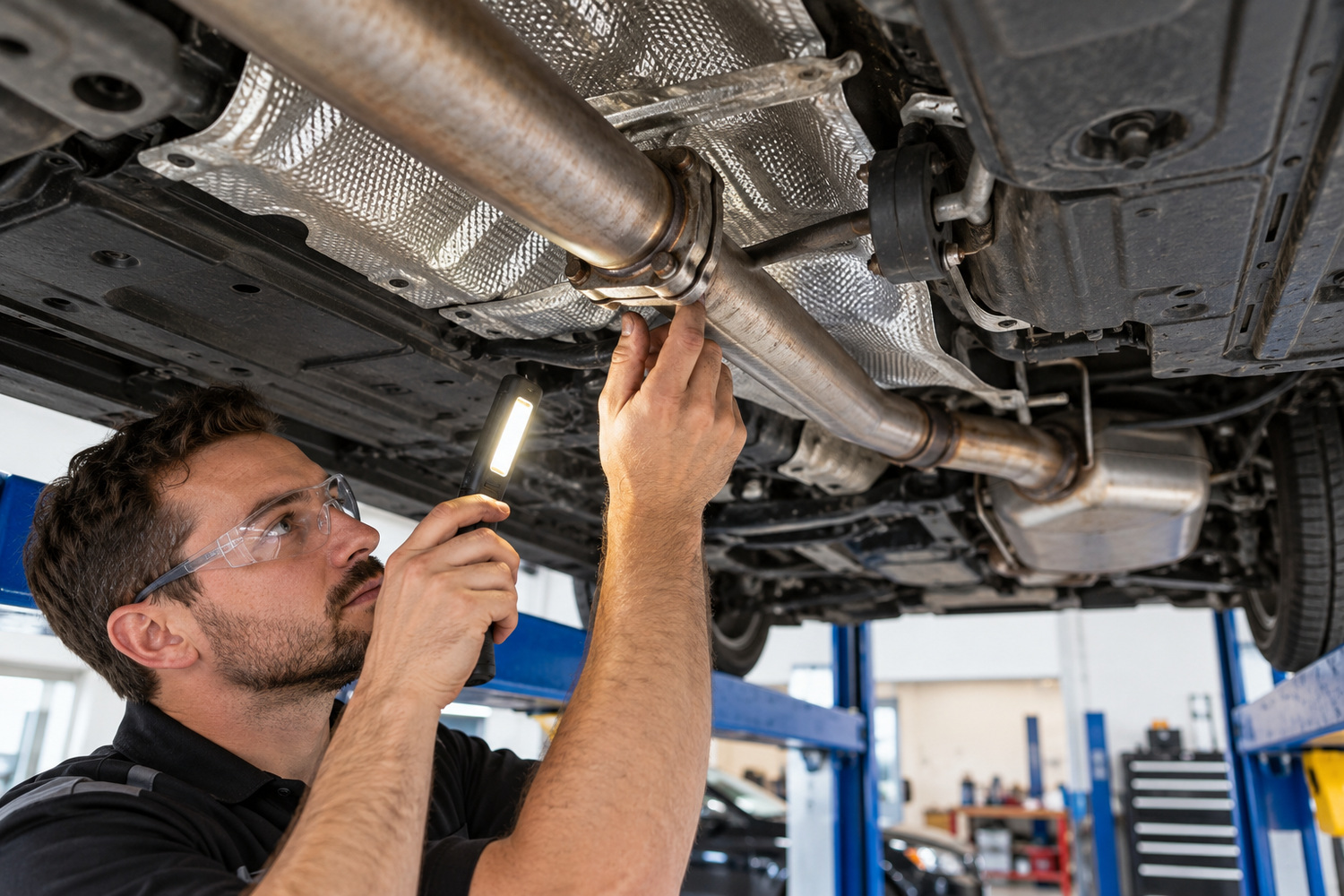
Naming a muffler in an enquiry does not establish that it is the part needing work. The workshop’s published muffler page asks for the whole issue to be described and the current options to be confirmed for the vehicle.
A muffler enquiry is best considered alongside the rest of the exhaust system. A change in noise has to be assessed rather than assumed. The source can sit somewhere else along the run. The part named in the enquiry and the extent of the work proposed are two separate things.
Assessing the surrounding system may support a small job or reveal a wider problem. The named component could still be the only one needing attention. The reason to look beyond it is to avoid assuming that replacing the part named on the phone will address the concern. An inspection does not promise to reveal every hidden fault.
When might a made section be considered?
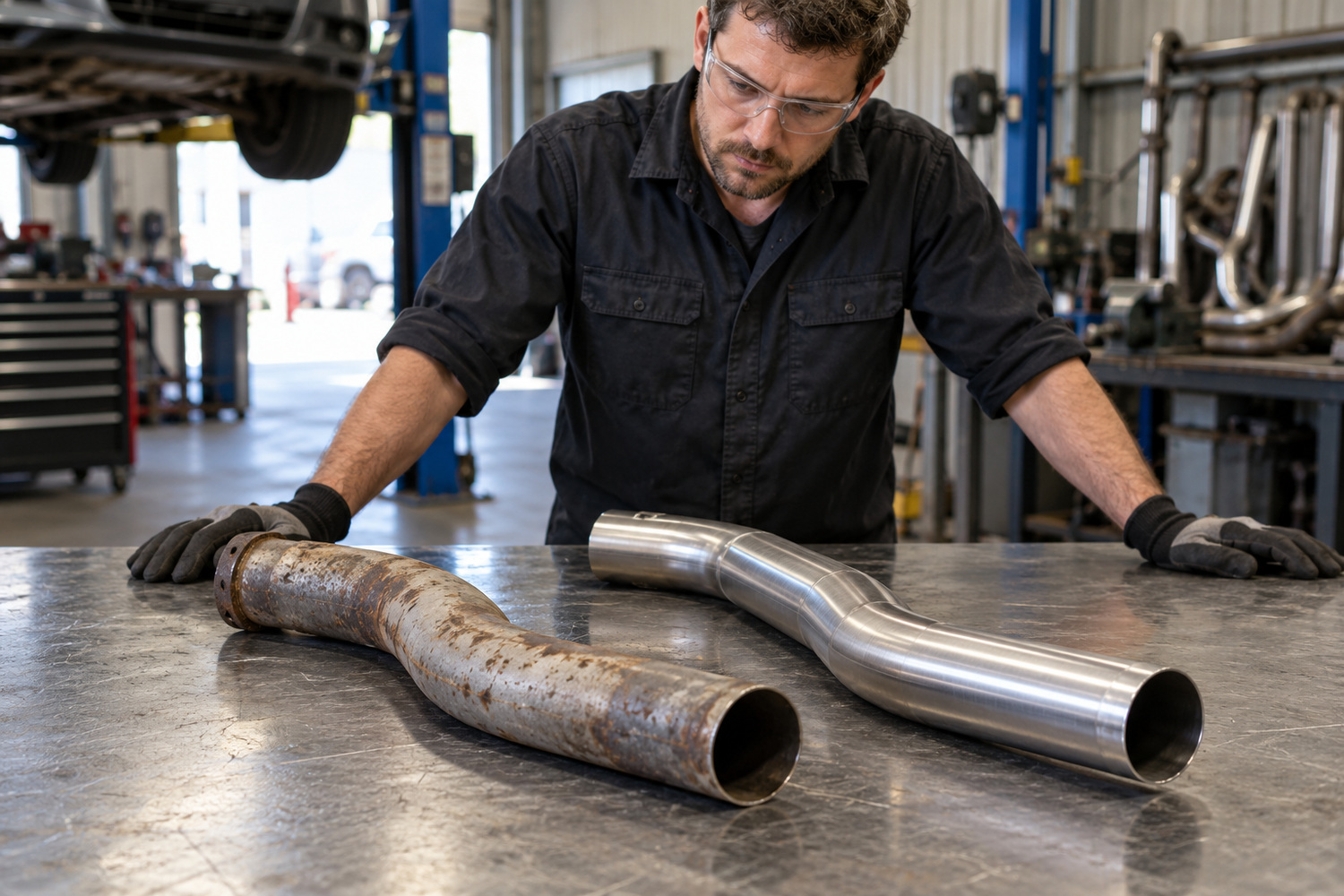
Part availability and earlier modifications can affect whether a suitable replacement section can be bought. A section made to suit the car is then one of the possibilities an inspection may raise. What custom exhaust fabrication involves, including fit and routing, is set out in a separate article.
Why two quotes for the same car can describe different work
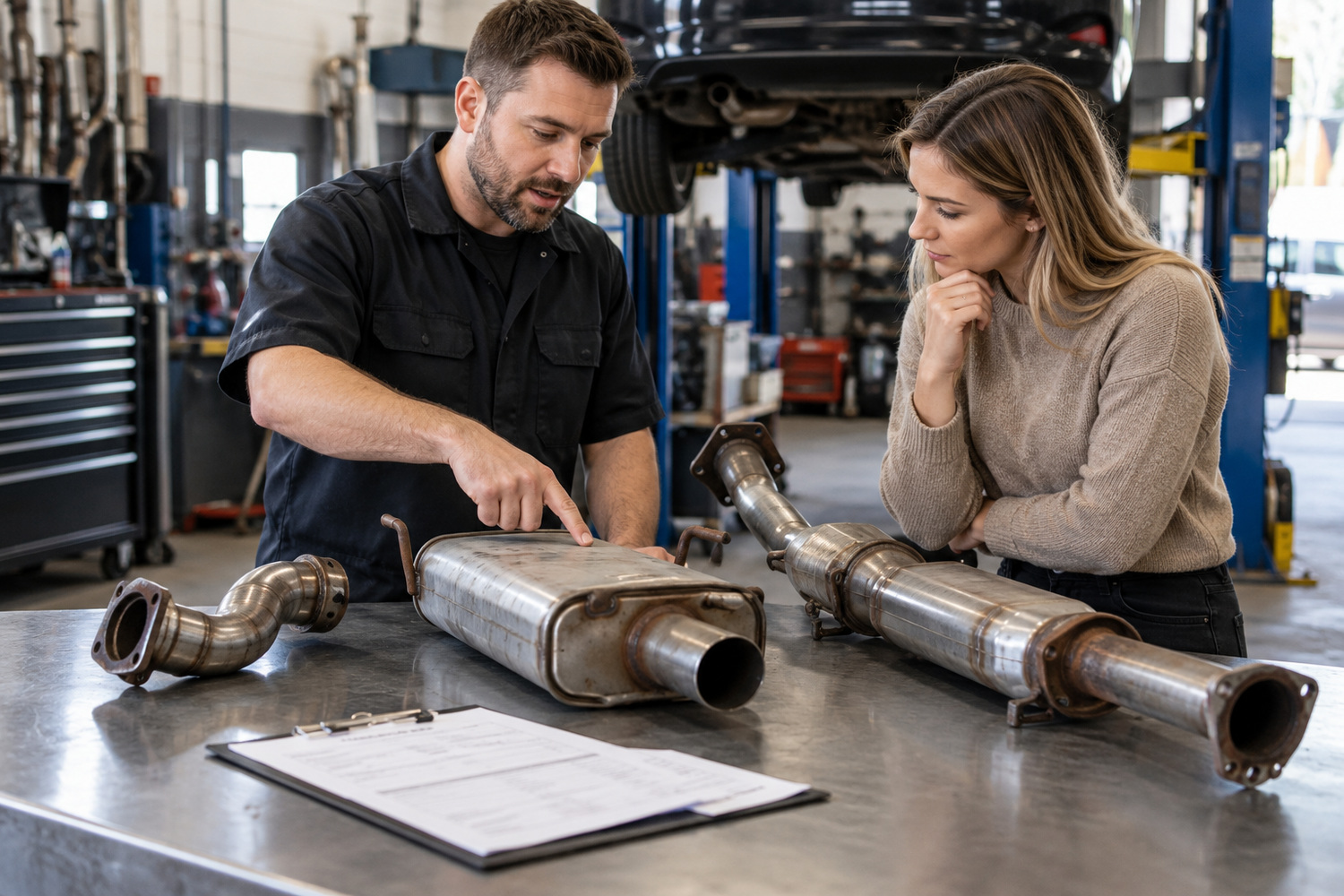
Two quotes from different Melbourne workshops can differ because they are not pricing the same job. One may cover a single section. Another may cover a component, and a third may cover most of the system.
A figure for a new exhaust is meaningful only when the proposed work is clear. The extent of that work can explain a price difference, although it is not the only factor in an estimate. A lower quote is not proof of a better deal. A higher one is not proof of work that is not needed. The two may simply describe different scopes.
The comparison worth making is like for like. Ask which parts each quote covers, and what condition prompted the proposal. Written estimates and Victoria’s noise rules are covered in a separate article, and both are worth reading before you decide.
What can an inspection establish?

A phone call starts the enquiry. It covers what the car is, what has changed, and what you have noticed. Seeing the system lets the workshop assess its condition and discuss the extent of work, including any limits on what can be established.
The published repair page describes inspection as a starting point for discussing the repair. That supports an enquiry followed by assessment, rather than a promise of a firm telephone price. The workshop still needs to confirm what is suitable for the vehicle before work is agreed.
Call Taylah Made Exhausts in Melton on (03) 9747 8080. Have the make, model and year ready. Describe the sound or damage, say what has changed, and mention any exhaust modifications already on the car.