What custom exhaust fabrication involves
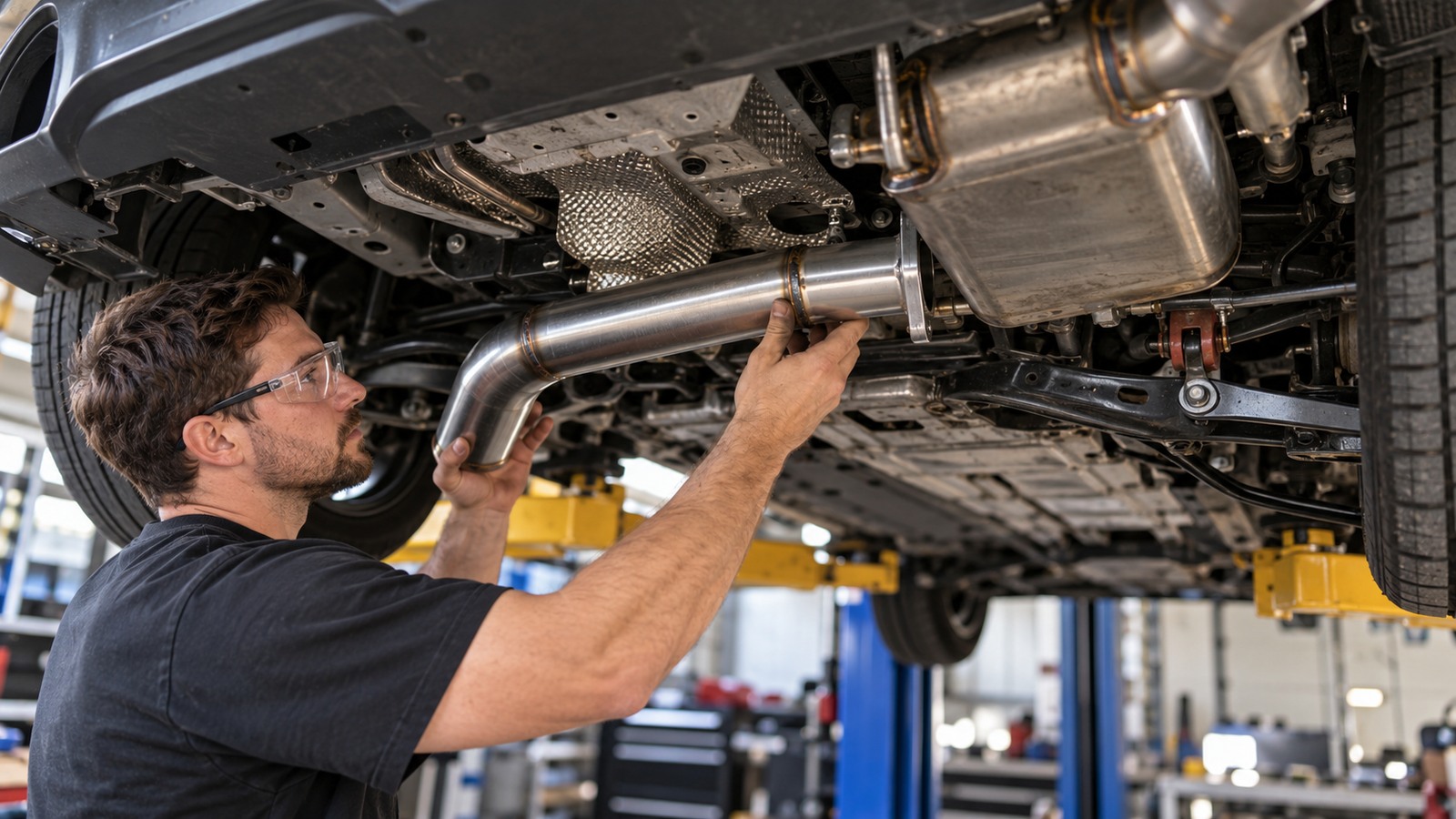
Custom exhaust fabrication means exhaust pipework built to suit one vehicle, rather than a boxed system made for a model. The job starts with the make, model and year, the system on the car now, and a clear description of what should change. Scope and price are usually settled once the vehicle or the part has been seen.
You might have a modified car, an older one, or a vehicle whose part is no longer made. You might have a metal item you need copied. This page sets out what the job involves and what you will be asked for. It also explains why nobody prices the work sight unseen.
What does custom exhaust fabrication mean?
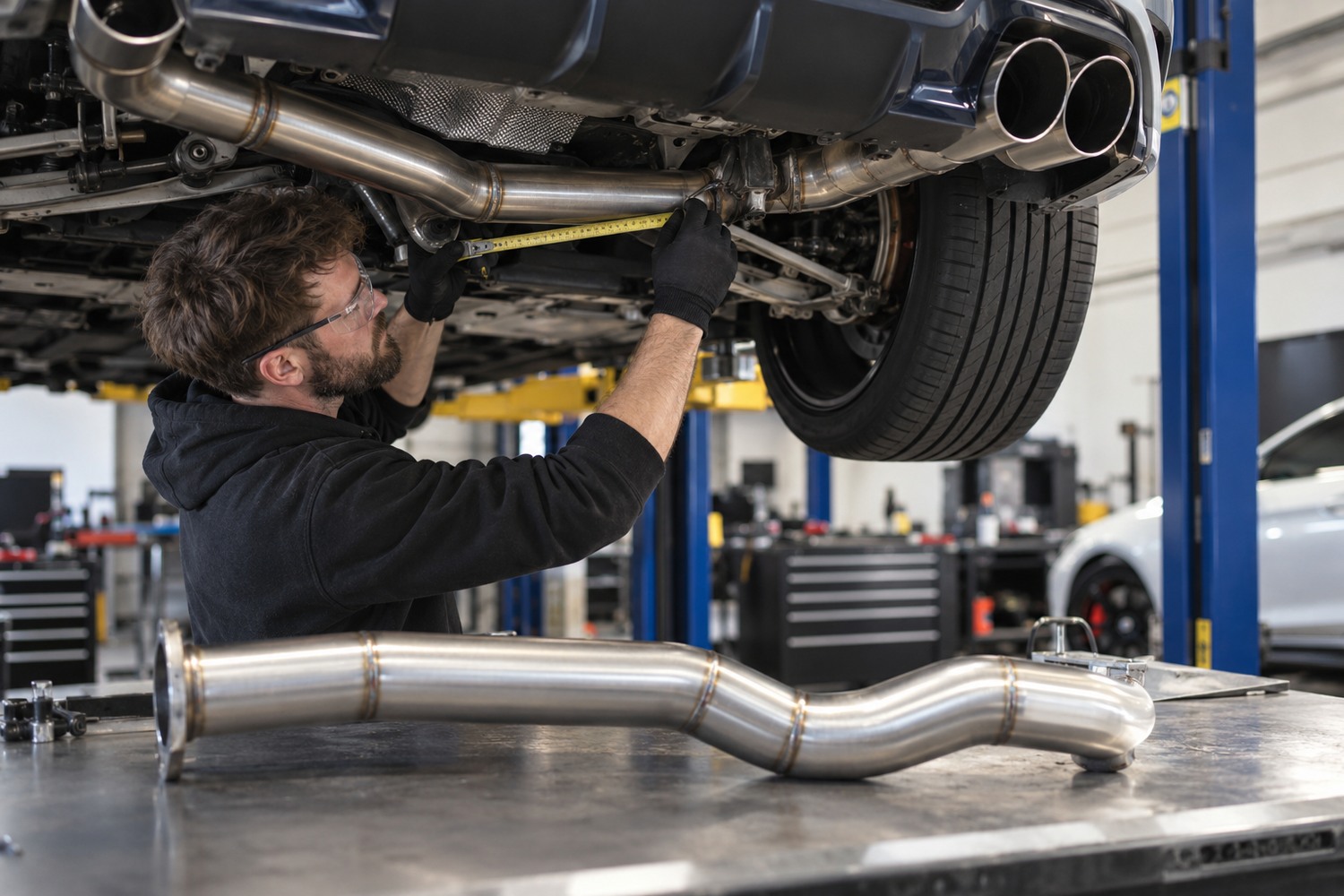
It means pipework measured from the vehicle it is going on. Pipework is the run of pipes, joins and mounts that carries exhaust gas from the engine to the back of the car.
Three different jobs all get called custom, and they are worth keeping apart.
- A catalogue system is made in a batch for a stated make, model and year. It arrives boxed and bolts to the mounting points it was designed around.
- A replacement section is one part of the system remade, so that it meets the parts staying on the vehicle.
- A one-off is built to the vehicle in front of it, from that vehicle’s own measurements.
The difference that matters to you is where the measurements come from. A catalogue system trusts that your car matches the drawing the batch was made from. A one-off does not have to.
What a workshop needs to know before it can price the job
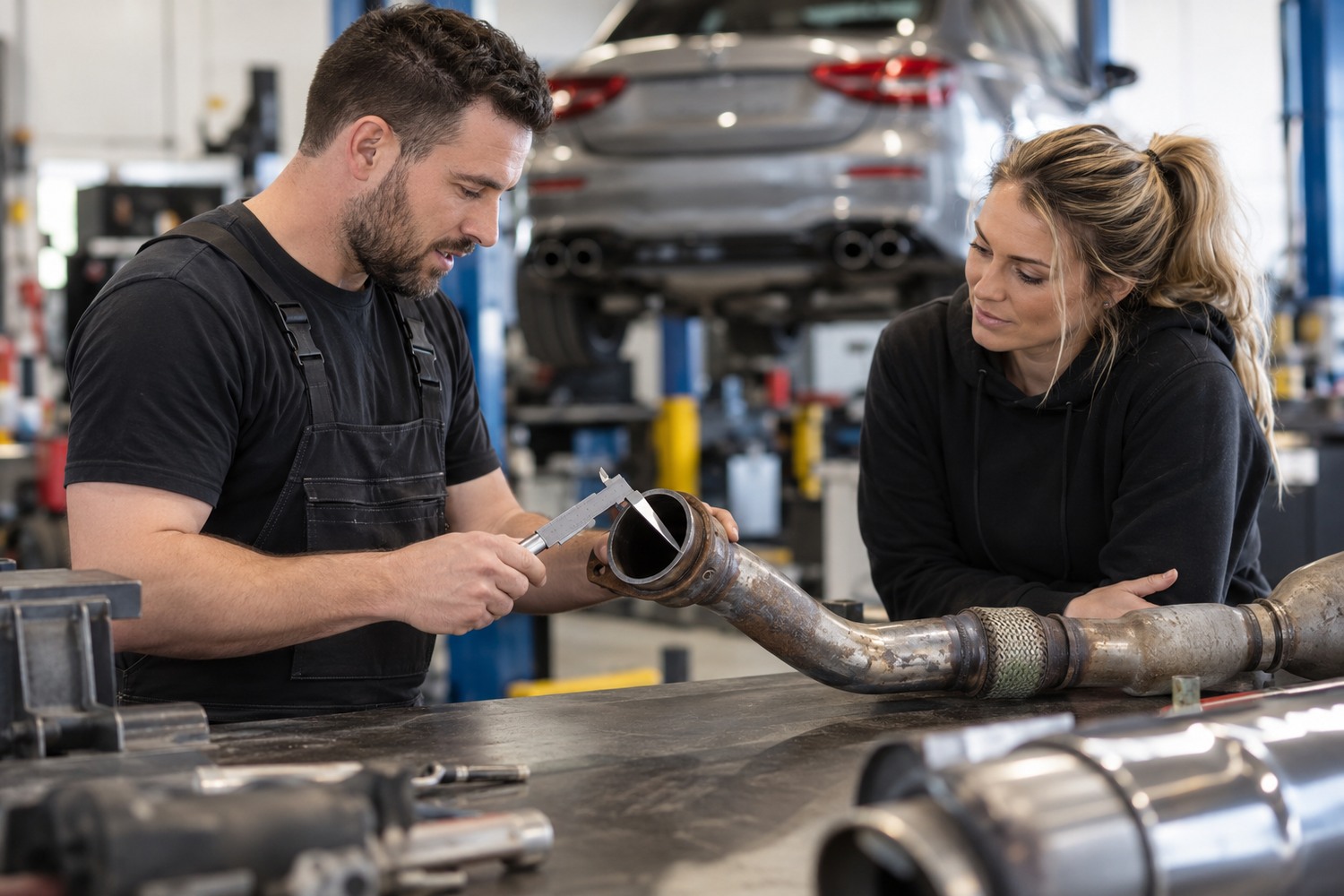
Four details do most of the work early on. The first two are the make, model and year, and the state of the system now. The other two are any earlier changes to the vehicle, and a clear description of what should change.
At this workshop, your vehicle make, model and year, details of the current exhaust and a clear description of what you want to change are a useful start. Custom exhaust work and pipe bending are part of the service offering here.
None of that is a formality. The year narrows what was fitted when the car left the factory. The state of the system now says whether anything on it can be kept. Earlier changes explain why a boxed part might not go on.
If you are bringing a metal item rather than a car, the same thinking applies. An existing part, a drawing or clear measurements are the useful start. A photograph of where the item has to fit is worth having too.
Why an off-the-shelf system does not fit every vehicle
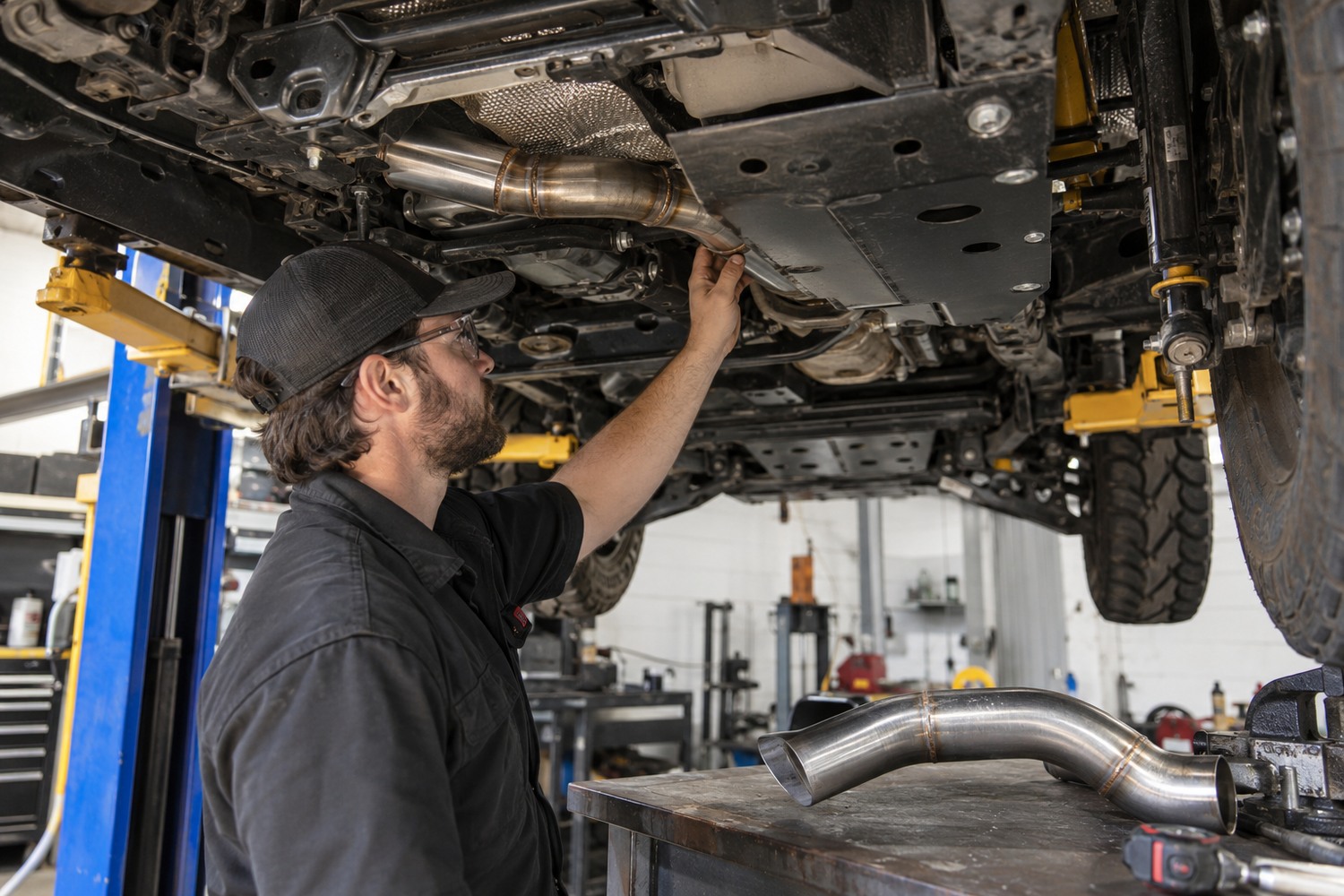
Off-the-shelf parts cover most cars, and custom exhaust fabrication exists for the ones they do not. A boxed system assumes a standard car. The moment the car stops being standard, that assumption stops holding.
Four things commonly get in the way. The space under the vehicle can be tighter than the part expects. Earlier modifications may have moved something the pipe used to pass. Accessories fitted later can sit in the run the pipe needs. And on a repair, a new section has to meet parts that are staying on the car. It has to meet them at the angle they already sit at.
On a four-wheel drive, existing components and available space need to be considered together.
A whole system is not always the answer. A single section can be remade instead, which is what people are asking about when a part is no longer made. Whether that suits is not a guess. It depends on the condition of the damaged section and the system around it. An inspection helps establish whether a section repair or a replacement is suitable.
What has to be worked out before anything is made
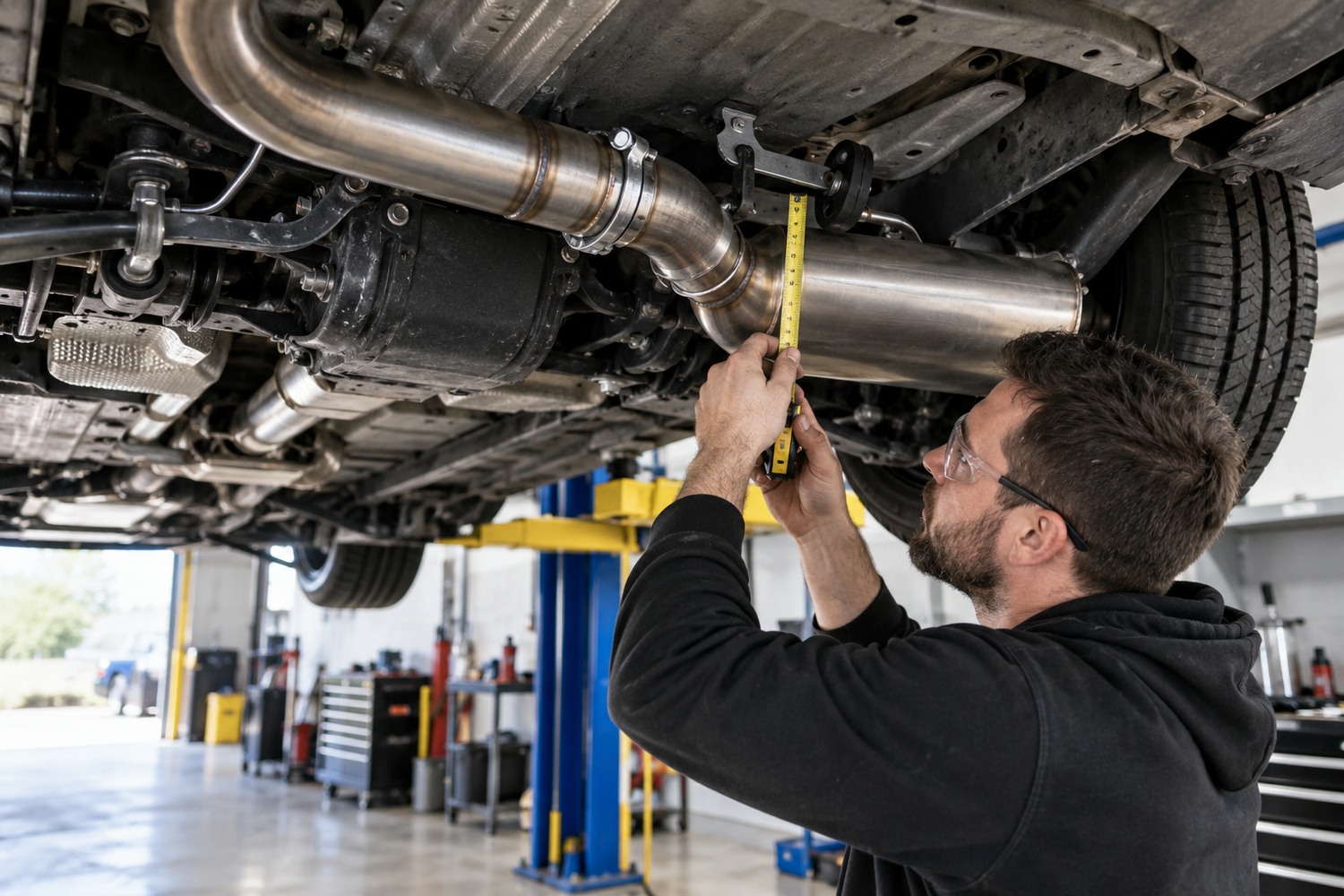
Before anything is made, a set of decisions has to be settled, and all of them are about the vehicle.
Where the pipe can run is the first. That path is called the routing. Routing decides how much room is left for everything the pipe has to clear. That means the floor above it and the parts beside it.
How many changes of direction that path needs is the second. Each one takes up space and adds length.
Where the joins fall is the third, and it is the one owners tend to forget. A join in a sensible place means a section can come off again later without the whole run coming with it.
What the existing system leaves fixed is the fourth. Mounting points, hangers and the parts staying on the car all set limits a new piece has to work within. Hangers are the mounts that hold the system up under the floor.
Noise belongs on this list too. A change to the exhaust does not have to change how loud the vehicle is. Whatever is fitted, EPA Victoria says the vehicle still has to meet the noise standards that apply to it.
What happens when the vehicle has to be seen
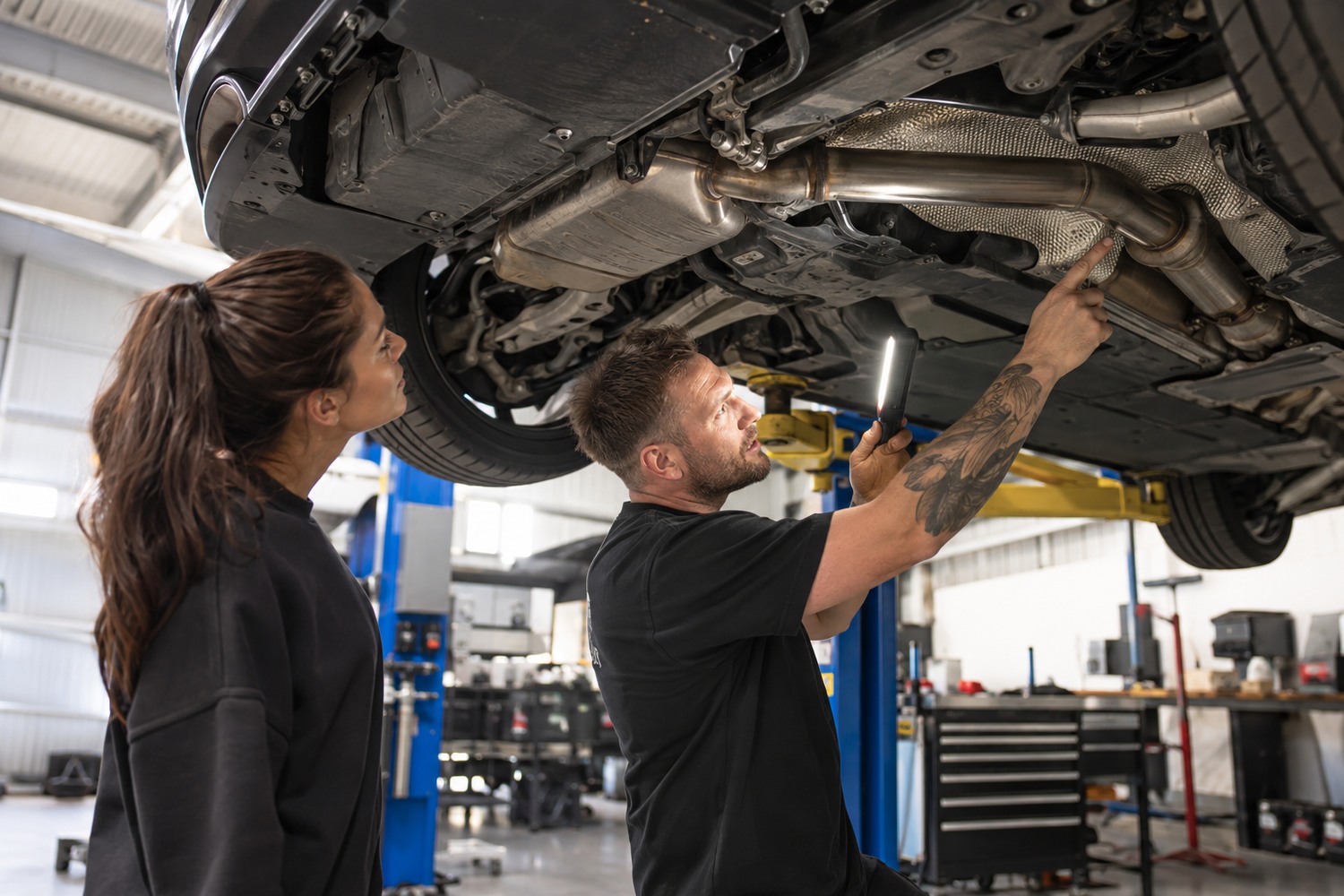
A call starts the discussion. The workshop may need to see the vehicle and any supplied components before confirming the scope and a price. That is the plain answer to whether a one-off build can be quoted over the phone.
The reason sits in the section above. The scope of the job is under the car, and it differs from one car to the next even within a model. A vehicle inspection lets the workshop assess routing, connections and the scope of a particular build before work is agreed.
So the call is not a wasted step. It starts the discussion and settles what to bring. What it cannot do is put a firm number on a job nobody has looked at yet.
What if you are bringing a part or a drawing rather than a car?
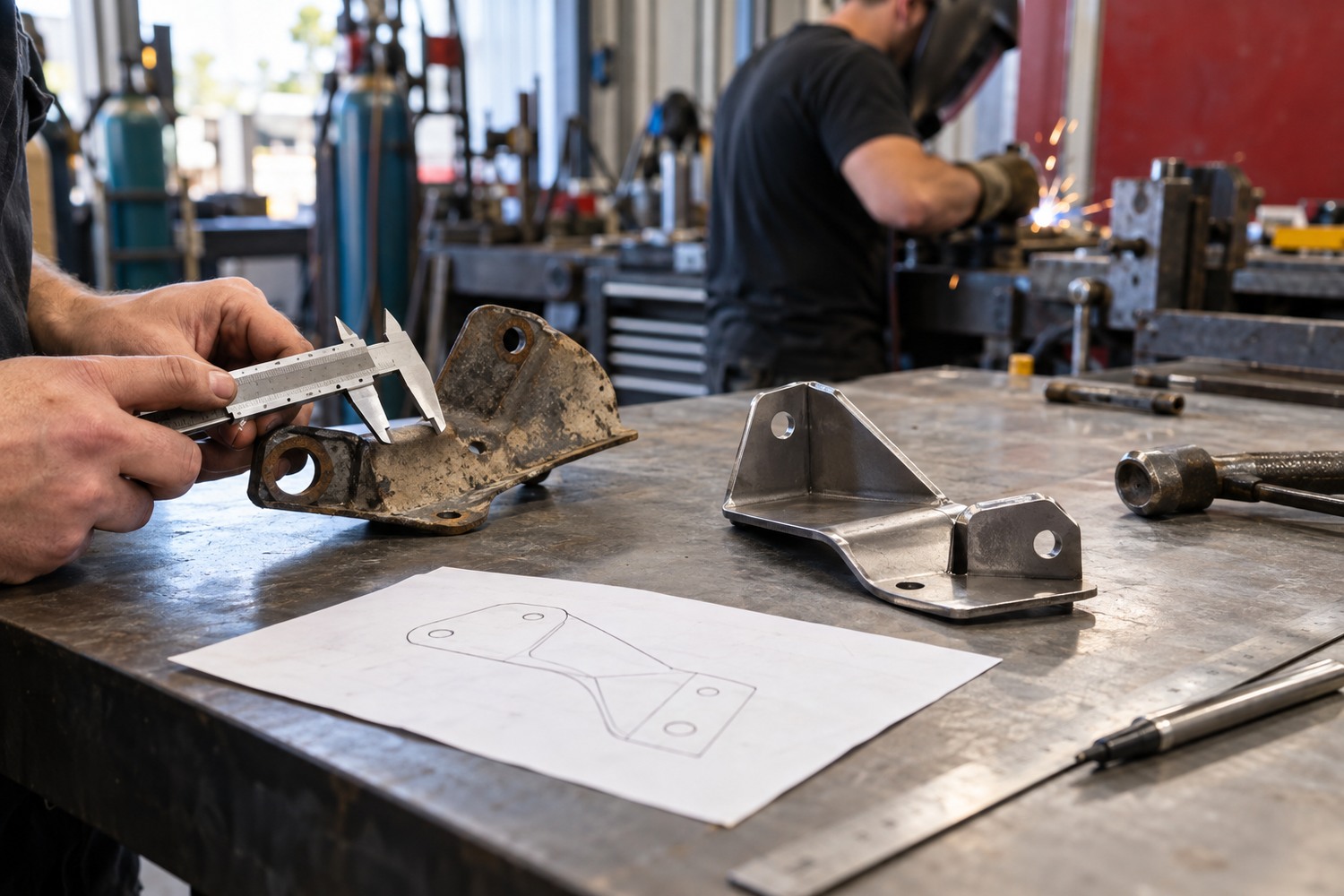
This is the other half of the work, and much of it never involves a vehicle. The workshop takes enquiries for automotive metalwork, general fabrication and replacement sections, with the material, dimensions and intended use setting the scope.
You do not need a finished drawing. Bring an existing part, a drawing or clear measurements where you have them. A drawing is useful, but you can start by explaining the job. Photos, measurements and an existing part all help communicate what is needed.
Some items have to fit a vehicle or another assembly. For that work, the workshop may need to see the full setup before discussing fabrication. Welding is part of the workshop offering. The process and suitability depend on the material, its condition and the purpose of the finished item.
Suitability is settled job by job rather than promised in advance. Call with the details of your project to check its suitability.
A Melton, Bacchus Marsh or Sunbury driver is used to travelling a little for a trade that is not in their own street. Fabrication is one of those trades.
Ring Taylah Made Exhausts on (03) 9747 8080 with the make, model and year and a description of what should change. If the job is a part rather than a car, bring the part, the drawing or the measurements in. The workshop is open Monday to Friday from 8:00 am to 5:00 pm, and Saturday by appointment.